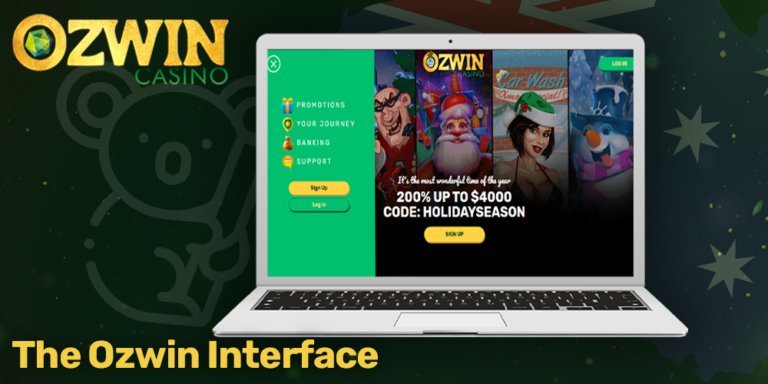
Last week the Australian e‑gaming regulator announced a new licensing round, and Ozwin was one of the handful of operators that secured a fresh permit. That means the site’s Australian player base just got a legal boost, and the login page was revamped overnight to comply with stricter identity checks. If you’ve been curious about how to get past that new gate, you’re in the right place.

What You Actually Get When You Log In
Once you punch in your credentials, the dashboard isn’t just a list of slots. You’ll see a “Live Casino” tile that hosts over 30 tables – from classic Blackjack to three‑hand baccarat – and a “Sportsbook” widget offering odds on AFL, NRL and major overseas leagues. The “Promotions” tab rotates weekly offers, and the current headline is a 150% match bonus up to AU$500, but the fine print caps the free spins at 30 per week.
- Game library: About 1,200 titles, including 200 pokies from providers like Pragmatic Play and Blueprint.
- Banking speed: E‑wallet withdrawals (PayPal, Skrill) usually hit your account within 1‑2 hours; bank transfers take 2‑4 business days.
- Mobile experience: A responsive HTML5 client works on iOS 13+ and Android 9+, no separate app required.
Step‑by‑Step Ozwin Casino Login Guide
Here’s how I got into my account without tripping the new verification alerts:
- Open the homepage and click the “Login” button at the top‑right corner.
- Enter your registered email address and the eight‑character password you set during registration.
- When prompted, upload a clear photo of your driver’s licence and a recent utility bill. The system checks these in under 30 seconds.
- Enter the 6‑digit code sent to your phone via SMS. If you prefer an authenticator app, you can enable it under “Security Settings”.
- Hit “Submit”. You’ll land on the personal dashboard where you can deposit, claim bonuses, or start a game.
If you forget your password, the “Forgot?” link sends a reset link that expires after 15 minutes – a tight window that helps keep accounts safe.
Pros and Cons That Matter to Australian Players
After a month of regular play, here’s the balanced take:
- Pros
- Localised support: Live chat is staffed by Australians from 9 am to 9 pm AEST.
- Fast e‑wallet payouts: I withdrew AU$200 on a Saturday and saw the funds in my PayPal inbox by 2 pm.
- Rich live‑dealer selection: Over 30 tables run 24/7, with real‑time streaming in HD.
- Cons
- Higher wagering on bonuses: The 150% match requires a 40× playthrough, which is steeper than the industry average of 25×.
- Limited crypto options: Only Bitcoin deposits are accepted, and they incur a 2% fee.
- Geoblocking on some pokies: A handful of US‑themed slots are hidden for Australian IPs.
Where to Find Real‑World Help
If you run into trouble, the help centre offers searchable articles, but the fastest route is the live chat. I once had a verification snag; the agent resolved it within five minutes by confirming my ID details. For a quick look at the site’s terms, you can also scroll to the footer where the “Responsible Gaming” link opens a PDF with all the fine print.
When you’re ready to explore the casino’s full offering, start with the ozwin casino and see how the new login flow feels compared to older platforms.
Final Thoughts
Ozwin has turned a regulatory shake‑up into a chance to tighten security while expanding its game catalogue. The login process is a bit more involved than a simple username/password, but the extra steps pay off in faster payouts and a smoother live‑dealer experience. If you’re comfortable with a short verification hurdle, the platform delivers a solid mix of pokies, table games, and sports betting – all wrapped in a distinctly Australian flavour.
Frequently Asked Questions
How do I log in to Ozwin Casino Australia?
Simply visit the Ozwin login page, enter your credentials, and complete the updated identity verification.
Is the new login process secure?
Yes, it uses stricter ID checks to protect players and meet regulatory standards.