The Role of Luck in Gambling
Luck is often regarded as a crucial element in the world of gambling, especially in environments like casinos where outcomes can be highly unpredictable. When players sit down at a table or approach a slot machine, many believe that their chances of winning depend largely on their luck at that moment. This perception stems from the nature of most casino games, where chance plays a significant role in determining the outcome. For instance, in games like roulette or slot machines, each spin or roll is independent, and the player has little control over the results. Interestingly, some players explore no kyc casinos that offer unique experiences, enhancing the randomness and excitement of their gambling adventures. This randomness is what draws many to gambling, as the possibility of a surprise win adds to the thrill of the experience.
The psychological aspect of luck also cannot be overlooked. Many players attribute their wins to good fortune, enhancing the excitement and thrill associated with gambling. This belief can lead to a phenomenon known as the “gambler’s fallacy,” where players assume that past events influence future results, despite the randomness of each round. For example, if a player has lost several hands in poker, they may feel that they are “due” for a win, which can influence their betting behavior and decision-making. Consequently, some gamblers may chase losses, convinced that a winning streak is just around the corner, driven by their perception of luck.
However, it is essential to recognize that while luck undoubtedly influences outcomes, it is not the sole determinant. Understanding the role of luck provides context for the complex interplay between chance and strategy in casino games. Players need to balance their understanding of luck with knowledge of game mechanics to navigate the gambling landscape effectively. This balance can lead to a more rewarding experience, as players learn to appreciate the thrill of the game while also acknowledging the influence of strategy and skill.
The House Edge and Its Implications
The concept of the house edge is fundamental to understanding how luck operates within casino environments. Every game in a casino is designed with a built-in advantage for the house, which ensures its profitability over the long term. This edge varies from game to game; for example, games like blackjack can have a lower house edge with optimal strategy, while games like slots tend to have a higher edge. This means that even if players experience short-term wins due to luck, the odds are designed to favor the casino in the long run. Recognizing this fact can help players approach their gambling with a more realistic mindset.
For instance, a player might hit a jackpot on a slot machine and believe that luck is on their side; however, the machine’s payout percentage is calculated over thousands of spins. Thus, while one player might win a significant amount, the odds indicate that many others will lose. This reinforces the idea that, while luck plays an immediate role in specific outcomes, the house edge is a constant, reminding players that their chances of sustained success are limited. This understanding can serve as a powerful motivator for players to engage more thoughtfully with their gaming choices.

Understanding the house edge is vital for gamblers who want to approach their gaming experience more strategically. Acknowledging that luck is only part of the equation encourages a more measured perspective, allowing players to make informed decisions about when to gamble and how much to wager. This knowledge can help mitigate the emotional highs and lows associated with gambling, leading to a more enjoyable experience overall. By being aware of the house edge, players can better manage their expectations and focus on having fun rather than solely chasing wins.
The Influence of Skill and Strategy
While luck is often a focal point in discussions about gambling, the influence of skill and strategy should not be underestimated. In many casino games, particularly card games such as poker and blackjack, players can employ strategies that significantly improve their chances of winning. Knowledge of the rules, betting strategies, and understanding probabilities can create an environment where skill can sometimes outweigh luck. For instance, a seasoned poker player may be able to read their opponents and bet wisely, giving them an advantage over less experienced players. This strategic play can often lead to more consistent success compared to relying solely on luck.
Moreover, even in games where luck is a dominant factor, such as baccarat or roulette, players can still utilize basic principles of strategy to manage their gameplay effectively. By setting budgets, understanding payout odds, and knowing when to walk away, players can navigate the casino landscape more prudently. This strategic approach allows players to harness their luck more effectively rather than relying solely on chance. For example, players using a betting system in roulette may feel more in control, even though the outcome remains random.
Ultimately, skill and strategy serve as a counterbalance to luck in the casino realm. While no one can control the outcome of any game, informed decisions can lead to better management of one’s bankroll and more favorable experiences. This understanding empowers players, transforming them from mere participants into informed strategists who can maximize their enjoyment and potential success. By integrating skill with the element of luck, players can cultivate a more nuanced understanding of their gaming experiences.
The Psychological Aspect of Luck in Gambling
The psychology of luck plays a significant role in how gamblers perceive their experiences at the casino. Players often develop superstitions and rituals that they believe will enhance their chances of winning. Whether it’s wearing a lucky shirt, carrying a particular charm, or performing a specific action before placing a bet, these behaviors showcase how luck is intertwined with the emotional and psychological aspects of gambling. Such practices can create a sense of control, even in an inherently random environment, and can significantly affect a player’s mindset during their gaming sessions.
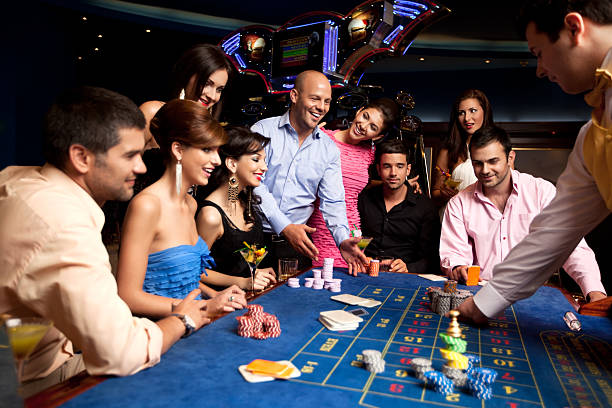
The feelings associated with luck can also lead to addictive behaviors. The thrill of winning can create a dopamine rush, which reinforces the desire to gamble. Conversely, losing streaks can lead to feelings of frustration and the false belief that one’s luck will inevitably change. This cycle of highs and lows can make it challenging for players to maintain a balanced approach to gambling. Understanding this psychological dynamic is crucial for anyone participating in casino activities. By recognizing the emotional triggers involved in gambling, players can make more conscious decisions about their behavior.
Moreover, acknowledging the psychological impact of luck can encourage players to adopt healthier gambling habits. By understanding the distinction between luck and skill, players can reframe their experiences and avoid falling into harmful patterns. Recognizing the role of psychological factors in gambling can lead to a more mindful approach, fostering a healthier experience overall. This awareness can help individuals set realistic expectations and ultimately make their time at the casino more enjoyable and sustainable.
Your Experience with Casino Gaming
Engaging with casinos can be an exhilarating experience, whether you are drawn in by the lights, sounds, and atmosphere, or the thrill of potentially winning cash prizes. Each player’s relationship with gambling is unique, shaped by personal experiences, strategies, and perceptions of luck. While casinos offer a chance for entertainment, they also require an understanding of how luck and skill play into gaming outcomes. Approach your gaming sessions with a clear mindset to navigate the highs and lows effectively, focusing on the entertainment aspect rather than just the potential for monetary gain.
Sharing your experiences and strategies with others can be beneficial. Engaging with fellow players can provide insights into different approaches and alternatives to the traditional luck-driven mindset. This communal sharing fosters a deeper understanding of the games and can enhance your own strategies. Whether through online forums or in-person discussions, you can learn how others manage their experiences and what they believe contributes to better outcomes. This sense of community can also reduce feelings of isolation that sometimes accompany gambling.
Ultimately, the interplay of luck, skill, and strategy contributes to the rich tapestry of casino gaming. By balancing these factors and understanding how they impact your play, you can create a more fulfilling and enjoyable experience. Embrace the thrill of chance while remaining grounded in the realities of the games you love. This balanced perspective allows for a more sustainable approach to gambling, ensuring that it remains a fun and exciting activity rather than a source of stress.